


The Origin and History of Coffee: Where It Comes From and How It Spread Worldwide
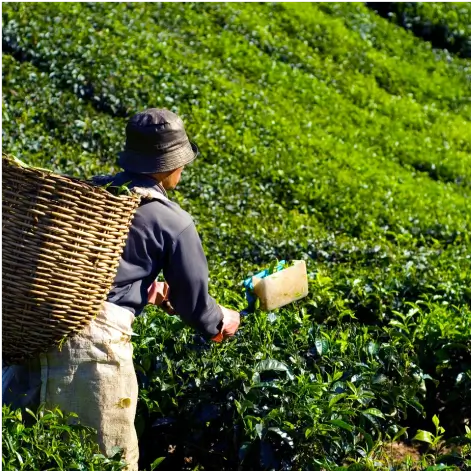
Coffee comes from the highland forests of Ethiopia, where wild coffee plants grew long before humans learned to brew their beans. According to legend, a curious goat herder noticed his animals growing unusually energetic after eating bright red berries from a shrub, an observation that would eventually change the world. Whether myth or metaphor, the story captures a deeper truth: coffee’s origins are rooted in curiosity, experimentation, and human connection.
From Ethiopia, coffee crossed the Red Sea to Yemen, where it was first cultivated, brewed, and traded. Over the centuries, it spread throughout the Ottoman world, into European coffeehouses, and later across the Americas. Along the way, coffee evolved from a local plant into a global ritual, shaping culture, commerce, and daily life. Today, whether brewed at home or enjoyed in a neighborhood café, coffee remains one of humanity’s most shared and enduring traditions.
TABLE OF CONTENTS
- Coffee Origin Explained (TL;DR / Short Version)
- The Legendary Discovery of Coffee
- From Ethiopia to Yemen: The Birthplace of Coffee Culture
- Coffee Reaches Europe
- Coffee Comes to the Americas
- The Evolution of American Coffee Culture
- Coffee Around the World Today
- Coffee History Timeline
- Fun Facts About the Origins of Coffee
- Frequently Asked Questions About Coffee’s Origins

Coffee Origin Explained
Coffee originally comes from the highland forests of Ethiopia, where wild coffee plants grew naturally for centuries. According to long-standing tradition, coffee was first noticed for its energizing effects when people observed animals and humans becoming more alert after consuming coffee cherries.
Coffee was first cultivated, brewed, and traded in Yemen during the 15th century. From there, it spread throughout the Ottoman Empire, then reached Europe in the 1600s, where coffeehouses became centers of social and intellectual life. By the 1700s, coffee had arrived in the Americas, where it evolved into a global agricultural commodity and an everyday drink.

In simple terms, coffee’s journey follows this path:
- Ethiopia – the natural birthplace of the coffee plant
- Yemen – the first place coffee was cultivated, brewed, and traded
- Ottoman Empire – early coffeehouses and cultural spread
- Europe – cafés, commerce, and intellectual exchange
- The Americas – large-scale production and modern coffee culture
Today, coffee is one of the most widely consumed beverages in the world, enjoyed in countless forms but still rooted in this original journey across continents and centuries.
The Legendary Discovery of Coffee (Ethiopia)
The most well-known origin story of coffee comes from the highlands of Ethiopia, where coffee plants grew wild long before they were cultivated. While no written records confirm a single moment of discovery, oral tradition has preserved a powerful and enduring legend, one that helps explain how humans first noticed coffee’s unique effects.
Kaldi and His Dancing Goats
According to legend, a goat herder named Kaldi noticed something unusual while tending his flock. After eating bright red berries from a particular shrub, his goats became energetic and restless, leaping and dancing instead of settling down for the night. Curious, Kaldi tried the berries himself and felt a similar surge of alertness.
He brought the berries to a local monastery, where monks experimented with them, first discarding them into a fire, then grinding and brewing the roasted seeds after noticing their rich aroma. The resulting drink helped the monks stay awake during long hours of evening prayer.
While historians view Kaldi’s story as folklore rather than documented fact, the legend persists because it captures a broader truth: coffee’s discovery likely came from careful observation, experimentation, and shared knowledge rather than a single dramatic event.

.
Early Ethiopian Coffee Traditions
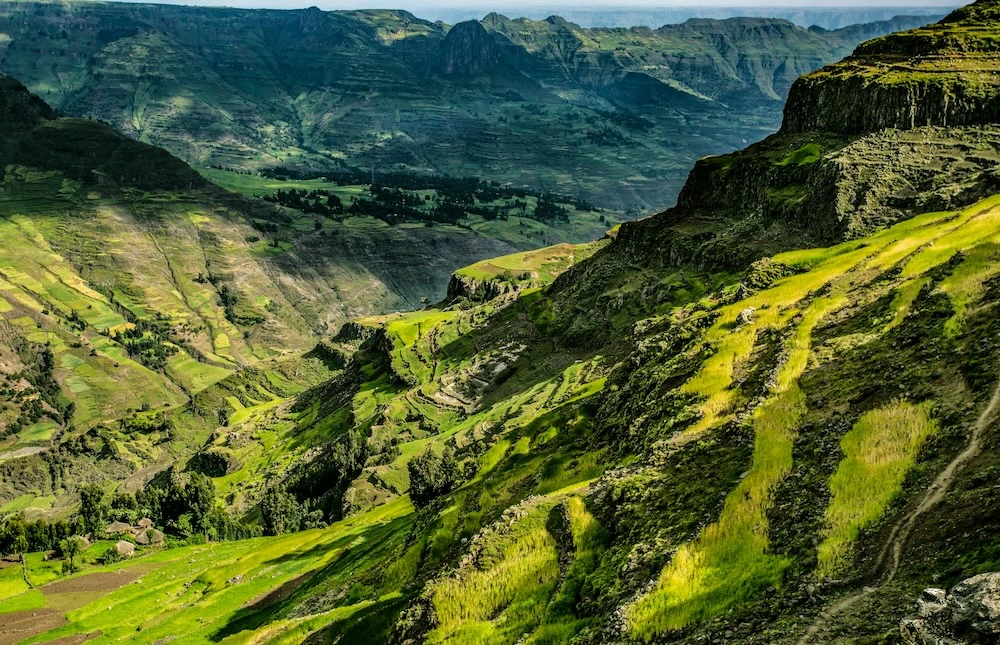
Long before coffee was brewed as a drink, Ethiopians used the coffee plant in several ways. Coffee cherries were often crushed and mixed with animal fat to form energy-rich food balls, providing sustenance during long journeys. In some regions, the cherries were fermented into early beverages, while the leaves of the coffee plant were also brewed as teas.
Over time, brewing roasted coffee beans became more common, giving rise to what is now known as the Ethiopian coffee ceremony, a deeply symbolic ritual that involves roasting, grinding, brewing, and serving coffee in a communal setting. The ceremony emphasizes hospitality, conversation, and respect, reflecting coffee’s role not just as a stimulant, but as a social bond.
These early traditions reinforce Ethiopia’s unique place in coffee history, not just as the birthplace of the coffee plant, but as the culture that first integrated coffee into daily human life.
From Ethiopia to Yemen: The Birthplace of Coffee Culture
While coffee plants originated in Ethiopia, it was in Yemen that coffee first became a cultivated crop, a brewed drink, and a traded commodity. This transition, across the Red Sea, marks the moment when coffee shifted from a regional plant into a cultural and economic force.
By the 15th century, coffee was being grown in Yemen’s mountainous regions and consumed regularly by Sufi order monks. They brewed coffee to remain alert during long nights of prayer and meditation, valuing its ability to sharpen focus without intoxication. This practical use helped coffee gain acceptance within religious communities and spread rapidly beyond them.
Yemen soon became the world’s first coffee hub. The port city of Mocha emerged as the primary center for the coffee trade, exporting beans throughout the Middle East and beyond. For centuries, nearly all coffee consumed outside Africa passed through Mocha, giving rise to the enduring association between the city’s name and coffee itself.
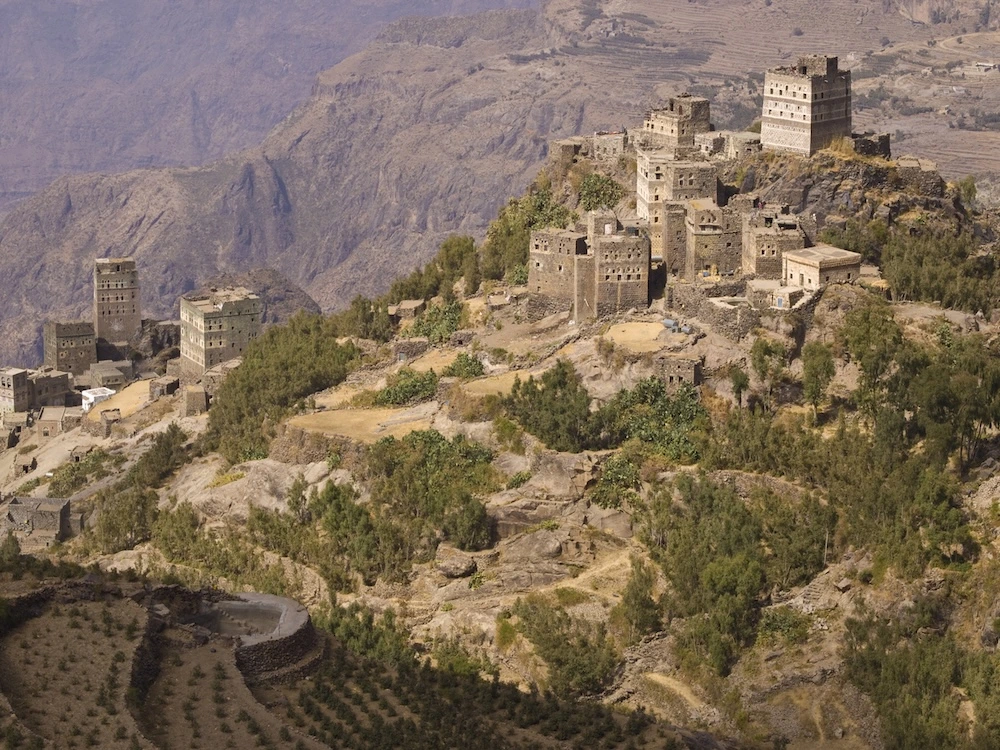
Crucially, Yemenis further refined methods for roasting, grinding, and brewing coffee beans, transforming coffee from a raw plant into a recognizable beverage. These practices laid the foundation for coffee preparation as we know it today and helped standardize coffee consumption across regions.
It was also in Yemen and nearby cities that the world’s first coffeehouses appeared, public spaces where people gathered to drink coffee, exchange ideas, listen to music, and discuss politics. These early cafés established coffee as a social ritual, not just a stimulant, setting the template for coffee culture worldwide.
Yemen’s role in coffee history is therefore unique. While Ethiopia gave the world the coffee plant, Yemen gave the world coffee culture, the cultivation, preparation, trade, and communal experience that allowed coffee to spread across empires and continents.
Coffee Reaches Europe
(1600s–1700s)
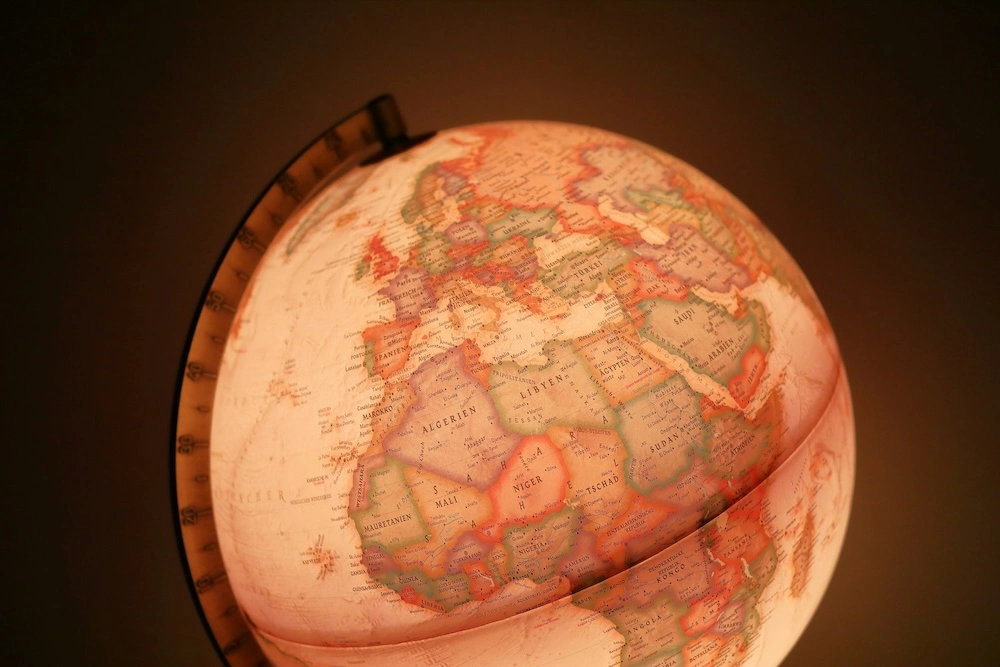
By the early 17th century, coffee began arriving in Europe through expanding trade routes linking the Middle East, North Africa, and the Mediterranean. What started as an unfamiliar, exotic drink would soon reshape European social life, intellectual culture, and commerce.
Venice, Trade Routes, and Early Imports

The first significant European entry point for coffee was Venice, a powerful maritime trading hub with deep commercial ties to the Ottoman world. Venetian merchants imported coffee beans alongside spices, silks, and other luxury goods, selling them initially to wealthy elites.
From Venice, coffee spread quickly to other major European cities, including London, Paris, Vienna, and Amsterdam. By the mid-1600s, coffeehouses had begun appearing across the continent, introducing Europeans to a drink unlike anything they had known before, stimulating, bitter, and entirely non-alcoholic.
The “Devil’s Drink” Controversy
Coffee’s arrival was not universally welcomed. Some critics viewed it with suspicion, claiming it was unhealthy, immoral, or even dangerous. Because coffee came from Islamic regions, certain religious leaders labeled it the “Devil’s drink” and warned Christians against consuming it.
According to widely circulated accounts, the controversy reached the Vatican, where Pope Clement VIII was asked to condemn the beverage. After tasting coffee himself, he reportedly approved its consumption, helping clear the way for coffee’s acceptance throughout Christian Europe.
Whether apocryphal or not, the story reflects the broader reality: once Europeans encountered coffee firsthand, resistance quickly faded.
Coffeehouses and the Rise of Public Conversation
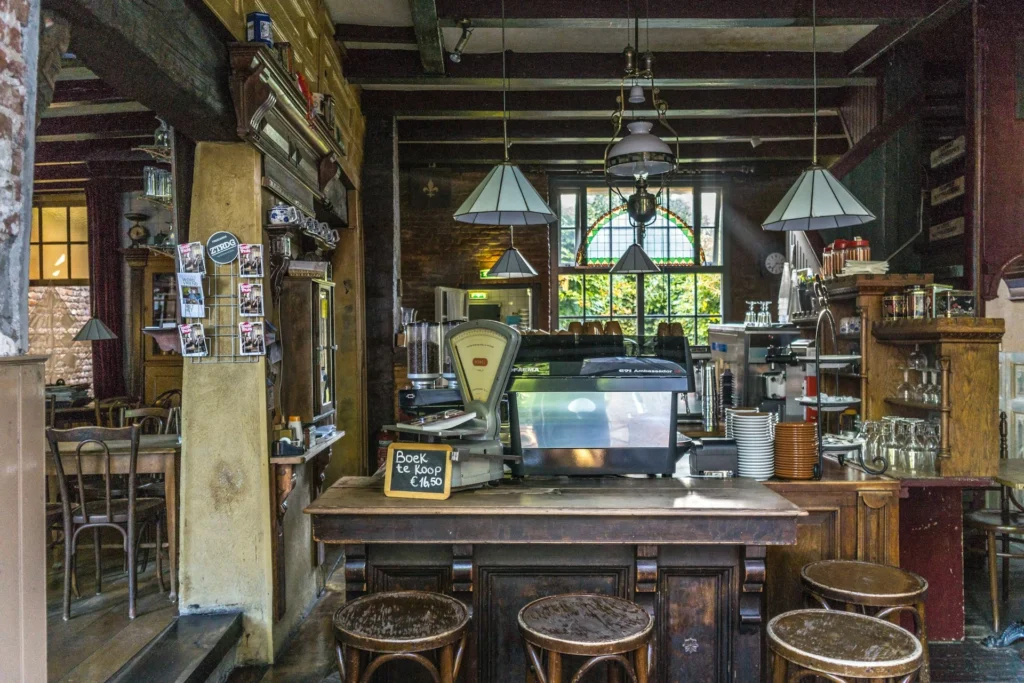
As coffee spread, so did coffeehouses. Unlike taverns, which centered on alcohol, coffeehouses promoted conversation, alertness, and prolonged discussion. Patrons gathered to read newspapers, debate politics, exchange business ideas, and engage with new philosophies.
In England, coffeehouses became so influential that they were nicknamed “penny universities,” for the price of a cup of coffee, one could gain access to news, lectures, and intellectual exchange. Writers, scientists, merchants, and politicians all shared the same tables.
These spaces played a meaningful role in the Enlightenment, supporting the rise of journalism, financial markets, scientific inquiry, and democratic thought. Coffee did not merely accompany this cultural shift, it actively fueled it.
From Curiosity to Cultural Staple
By the late 1700s, coffee was firmly embedded in European life. It was no longer a novelty or luxury item, but a daily habit for growing segments of the population. European demand soon outpaced Middle Eastern supply, pushing colonial powers to cultivate coffee elsewhere, particularly in the Americas.
This growing appetite would soon transform coffee into one of the world’s most important agricultural commodities, setting the stage for its next major expansion.

Coffee Comes to the Americas
By the late 17th and early 18th centuries, European demand for coffee had grown so rapidly that existing supply routes could no longer keep up. To meet this demand, colonial powers began cultivating coffee in the Americas, transforming it from a regional trade good into a global agricultural commodity.
From Colonial Experiment to Plantation Crop
European colonists introduced coffee plants to the Caribbean and Central and South America, where the climate proved ideal for large-scale cultivation. Over time, coffee plantations spread throughout the region, with Brazil eventually emerging as the world’s largest coffee producer, a position it still holds today.
This expansion dramatically increased coffee availability in Europe and North America, lowering costs and turning coffee into an everyday drink rather than a luxury. At the same time, it tied coffee production to colonial economies, shaping global trade patterns that would last for centuries.
Coffee and the American Revolution
In British North America, coffee took on new meaning during the years leading up to the American Revolution. Tea, long the dominant hot beverage, became politically charged after a series of British taxes culminated in the Boston Tea Party.
In response, coffee emerged as a patriotic alternative. Drinking coffee became a subtle act of resistance, symbolizing independence from British rule. Coffeehouses in colonial cities like Boston, New York, and Philadelphia evolved into gathering places for merchants, writers, and political organizers, echoing the role cafés had played earlier in Europe.

Coffee Becomes an American Staple
Following independence, coffee’s popularity in the United States continued to rise. As imports from Latin America increased, coffee became deeply embedded in daily life, served at home, in inns, and later in diners and workplaces.
By the 19th century, coffee was no longer just a beverage of protest or refinement; it was a practical necessity, valued for its affordability, stimulating effects, and suitability for long working days. This shift laid the groundwork for the uniquely American coffee culture that would emerge in the centuries to follow.
The Evolution of
American Coffee Culture
As coffee became widely available in the United States, Americans began shaping it to fit their own rhythms of work, travel, and daily life. Over time, coffee culture in America evolved through several distinct phases, from utilitarian fuel to social ritual to artisanal craft.
Diner Coffee & Post–World War II Brewing at Home

In the early to mid-20th century, coffee in America was defined by consistency, convenience, and affordability. Advances in packaging and distribution made pre-ground coffee widely accessible, and brands like Maxwell House and Folgers became household staples.
Coffee was brewed strong, served hot, and refilled often, especially in diners, where a bottomless cup became a cultural symbol. At home, electric drip coffee makers and percolators simplified brewing, turning coffee into a daily routine rather than a special occasion.
During this era, flavor nuance mattered less than reliability. Coffee’s primary role was functional: to energize workers, accompany meals, and mark the start of the day.
The Rise of Espresso in the United States
Espresso culture arrived in the U.S. earlier than many realize, brought by Italian immigrants in the late 19th and early 20th centuries. Espresso bars appeared in cities like New York and San Francisco, but remained niche for decades.
That changed in the latter half of the 20th century, as espresso machines became more accessible and café culture gained momentum. Drinks like lattes and cappuccinos introduced Americans to milk-based espresso beverages, shifting expectations around taste, texture, and presentation.
Coffee was no longer just something you drank quickly, it became something you lingered over.

From Coffee Shops to Community Spaces
The late 20th century saw the rapid expansion of coffee shops as social environments. Companies like Peet’s Coffee and later Starbucks helped popularize darker roasts, espresso drinks, and the idea of the café as a “third place,” neither home nor work.
These spaces emphasized comfort, consistency, and atmosphere. Coffee shops became places to meet friends, work remotely, or simply pause in the middle of a busy day.

The Third Wave Coffee Movement
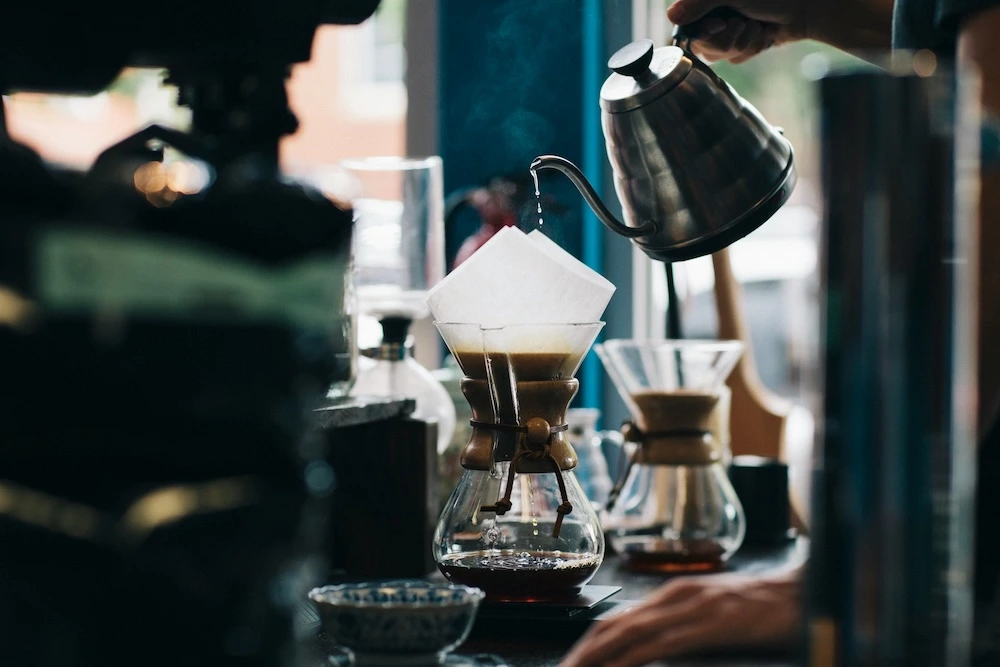
In the early 2000s, a new approach to coffee emerged in the United States, often referred to as the third wave. This movement treated coffee not as a commodity, but as an artisanal product similar to wine or craft beer. Third wave coffee emphasized:
- Skilled baristas as craftspeople
- Single-origin beans
- Lighter roasting to highlight natural flavors
- Transparent sourcing and direct trade
- Precision brewing methods like pour-over and espresso
This shift reshaped consumer expectations. Coffee drinkers began asking where beans came from, how they were grown, and how roasting affected flavor. Coffee culture became more educational, experimental, and globally aware.
From Daily Habit to Personal Ritual
Today, American coffee culture blends all of these influences. Some people still prefer a simple mug of drip coffee at home, while others seek out carefully sourced beans and handcrafted drinks. What unites these approaches is coffee’s role as a daily ritual, a moment of focus, comfort, or connection.
This evolution reflects coffee’s broader journey: from wild plant to global beverage, shaped continuously by the people who drink it.
Coffee Around the World Today
Today, coffee is grown in more than 70 countries and enjoyed in countless forms across every continent. While the coffee plant has a single origin, the way coffee is prepared, served, and experienced varies widely, reflecting regional tastes, histories, and values. Modern coffee culture is both global and deeply local.

Regional Coffee Traditions
Across the world, distinct coffee traditions have developed, each emphasizing different flavors, techniques, and social meanings.
- Italy – Coffee is fast, focused, and ritualized. Espresso is typically consumed standing at a bar, emphasizing quality and efficiency over customization.
- Turkey – Turkish coffee is brewed unfiltered and served thick, often accompanied by sweets. The grounds left behind are sometimes used for fortune-telling, blending coffee with cultural symbolism.
- Vietnam – Coffee is commonly brewed with a metal drip filter and served with sweetened condensed milk, balancing bitterness with richness. Vietnam is now one of the world’s largest coffee producers.
- Ethiopia – Coffee remains central to hospitality through the traditional coffee ceremony, which emphasizes time, community, and respect over speed or convenience.
- Scandinavia – Countries like Sweden and Norway favor lighter roasts and have some of the highest coffee consumption rates per capita, often pairing coffee with social breaks known as fika.
These traditions demonstrate how coffee adapts to local culture while maintaining its core role as a social connector.
The Global Coffee Industry
Coffee is now one of the most traded commodities in the world, supporting millions of farmers, workers, roasters, and retailers. Countries in Latin America, Africa, and Asia form the backbone of global production, while consumption is highest in North America and Europe.
This interconnected system means that a single cup of coffee represents a long chain of decisions, from farming practices and labor conditions to roasting styles and brewing preferences.
Sustainability and the Future of Coffee
As coffee demand grows, so do challenges. Climate change threatens traditional growing regions, while economic pressures affect farmers’ livelihoods. In response, many producers and consumers are placing greater emphasis on:
- Environmentally responsible farming
- Shade-grown and biodiversity-friendly coffee
- Fair compensation and direct trade relationships
- Transparency throughout the supply chain
These efforts aim to protect both coffee’s future and the communities that depend on it.

A Shared Global Ritual
Despite regional differences, coffee continues to serve a common purpose worldwide: bringing people together. Whether shared in a formal ceremony, enjoyed during a work break, or brewed quietly at home, coffee remains a daily ritual that crosses borders, languages, and cultures.
In that sense, modern coffee culture reflects the beverage’s long journey, from a wild plant in East Africa to a global symbol of connection.
Coffee History Timeline
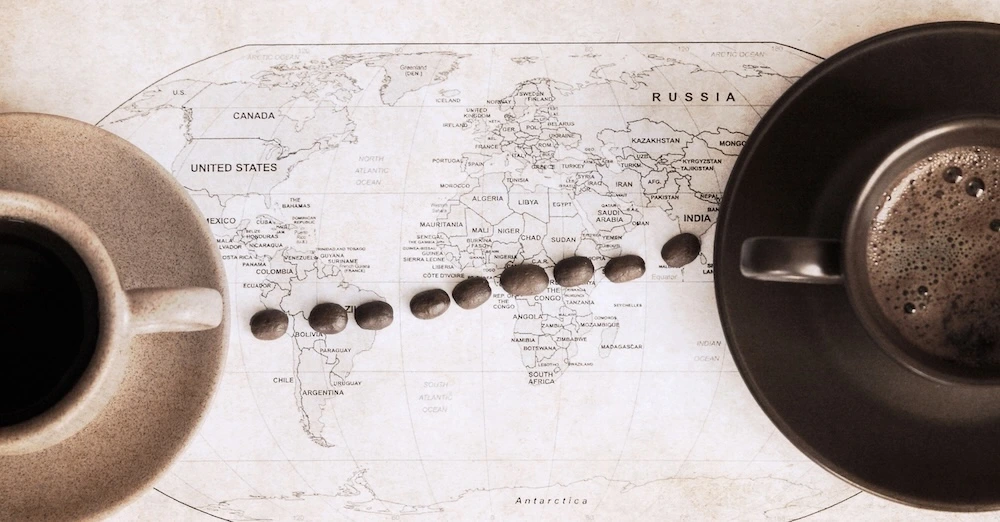
Coffee’s journey spans more than a thousand years, crossing continents and cultures. This simplified timeline highlights the major moments that transformed coffee from a wild plant into a global staple.
| PERIOD | REGION | KEY DEVELOPMENT |
|---|---|---|
| 9th century (legendary) | East Africa | Early observations of coffee’s energizing effects |
| 1400s | Arabian Peninsula | Coffee is cultivated, brewed, and consumed regularly |
| 1500s | Middle East | First coffeehouses open; coffee spreads socially |
| Early 1600s | Europe | Coffee imported via trade routes; cafés emerge |
| Late 1600s–1700s | Europe | Coffeehouses fuel commerce, science, and politics |
| 1700s | Americas | Coffee plantations established; production scales |
| Late 1700s | United States | Coffee replaces tea as a patriotic drink |
| 1900s | United States | Home brewing, diners, and mass-market brands |
| Late 1900s | Global | Espresso culture and coffee shops expand |
| 2000s–present | Global | Specialty coffee, sustainability, and craft brewing |
This timeline shows how coffee evolved in stages, from early discovery, to cultural ritual, to global commodity, and finally to the craft beverage many people enjoy today.
Fun Facts About
the Origins of Coffee
Coffee’s history is filled with surprising twists, controversies, and cultural moments that helped shape how we experience it today.
- Coffee was banned multiple times in history, often because leaders feared it encouraged free thinking and political discussion.
- The word coffee traces back through several languages, evolving from an Arabic term before entering European languages.
- Early coffee drinkers sometimes ate coffee rather than drank it, mixing crushed cherries with fat for energy.
- Coffeehouses were once considered so influential that they were accused of spreading dissent and rebellion.
- The original “mocha” referred to a port city, not a chocolate-flavored drink.
- Some historical figures treated coffee with extreme precision, carefully measuring beans for each cup.
- Coffee helped shift social gatherings away from alcohol, encouraging clear-headed conversation instead of intoxication.
These details highlight why coffee has always been more than just a beverage, it has shaped habits, conversations, and societies across centuries.
Frequently Asked Questions About the Origins of Coffee
Coffee originally comes from the highland forests of Ethiopia, where wild coffee plants grew naturally. From Ethiopia, coffee spread to Yemen, where it was first cultivated and brewed, before expanding throughout the Middle East, Europe, and eventually the Americas.
Coffee’s discovery is commonly explained through legend. According to tradition, people noticed coffee’s energizing effects after observing animals or humans who consumed coffee cherries. While the story of Kaldi the goat herder is symbolic rather than documented, it reflects early experimentation and observation.
Documented coffee drinking began in the 15th century in Yemen, where monks brewed coffee to stay awake during prayer. This marks the first known use of coffee as a prepared beverage rather than a food or raw plant.
While coffee plants originated in Ethiopia, the first intentional cultivation of coffee occurred in Yemen. Yemeni growers developed methods for farming, roasting, grinding, and brewing coffee, laying the foundation for coffee culture and global trade.
The earliest coffeehouses appeared in the Middle East during the 15th century, particularly in cities like Mecca and Cairo. These spaces became centers for conversation, music, and political discussion, serving as early models for modern cafés.
Coffee reached Europe in the early 1600s through trade routes connecting the Middle East with Mediterranean ports. From cities like Venice, coffee spread rapidly across Europe, where coffeehouses became hubs for commerce, news, and intellectual exchange.
During the American Revolution, tea became associated with British taxation and control. After events like the Boston Tea Party, coffee emerged as a patriotic alternative, symbolizing independence and resistance to British rule.
The word “coffee” traces back to the Arabic term qahwa, which passed into Turkish as kahve and later entered European languages. Over time, it evolved into the English word “coffee.”
Coffee combines stimulating effects with social ritual. Its adaptability to different cultures, climates, and tastes, along with its role in daily routines, has made it one of the most widely consumed beverages in the world.
Conclusion: From Wild Plant to Global Ritual

Coffee’s journey began in the forests of Ethiopia and unfolded across continents through cultivation, trade, and culture. What started as a wild plant became a brewed drink in Yemen, a social force in Europe, a daily staple in the Americas, and eventually a global ritual shared by billions of people.
Across centuries, coffee has adapted to different societies while retaining its core purpose: bringing people together, sharpening focus, and marking moments in daily life. Whether prepared through an ancient ceremony, served in a neighborhood café, or brewed quietly at home, coffee continues to connect history with the present.
If you’d like to explore coffee beyond its origins, CoffeeExpert offers in-depth guides on coffee beans, brewing methods, and the tools that shape flavor and experience. From understanding where your coffee comes from to mastering how it’s brewed, there’s always more to discover in every cup.